After a decade leading teams, programs, operations at Google and YouTube, I now work as an independent consultant since 2018. I get to do what I always enjoyed the most: work hard as part of nimble teams, with a delightfully broad range of complex problems and diverse cultures. I love learning by doing - I’m in my element when the assignment stretches me.
My consulting projects range from foundational research studies to service prototyping and in-field program management, across various industries, subject matters and geographies. What I bring is a host of skills spanning anthropological research, service/system design, in-field operations, strategy/planning/scoping, team assembly/coordination/coaching, GIS/cartography, and quant modeling.
Examples of services include (aka hire me for):
exploration of new technologies in challenging environments
service prototyping and in-field piloting / iterations
primary foundational research, sense-making
(field) operation design, set up, measurement, optimization
rapid learning with your team, taming complexities
ideation, strategy consulting with your team
If you need help with something that doesn’t seem to fit neatly anywhere, get in touch.
My backgrounds are in engineering, design, research, international development, and climate change. You can find my professional resume on LinkedIn.
See a sample of recent assignments below. Most projects are confidential and therefore omitted.

Field Study to explore feasibility of drones in small-holder farming

Field study into local ecosystems, technology, and COVID

Deeply understanding a sensitive and secretive industry

Developing services using drones in farming
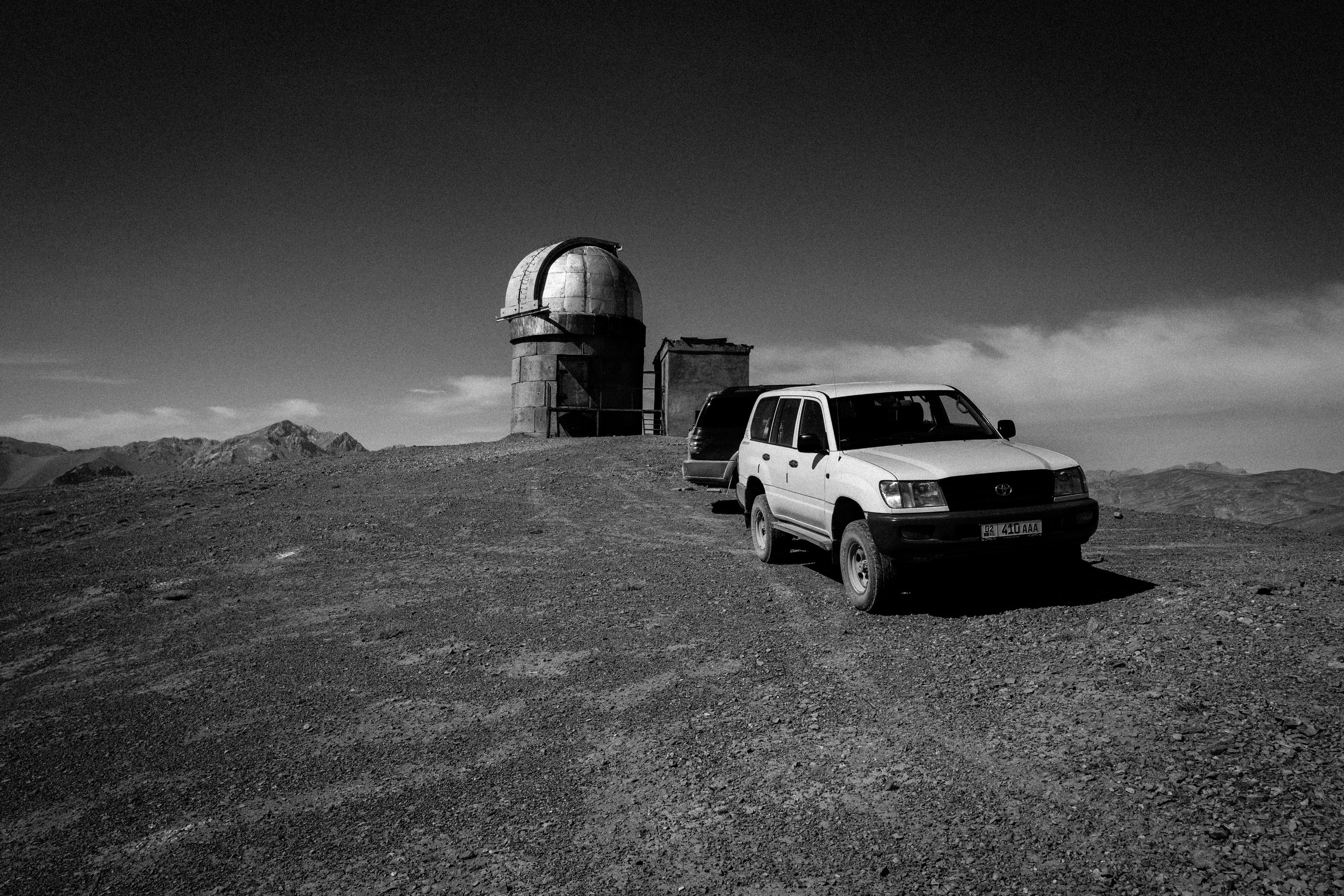
Cartography and data collection protocols for remote expeditions

Mission workshop, focused on Climate Change

Lifting off an artistic e-commerce business
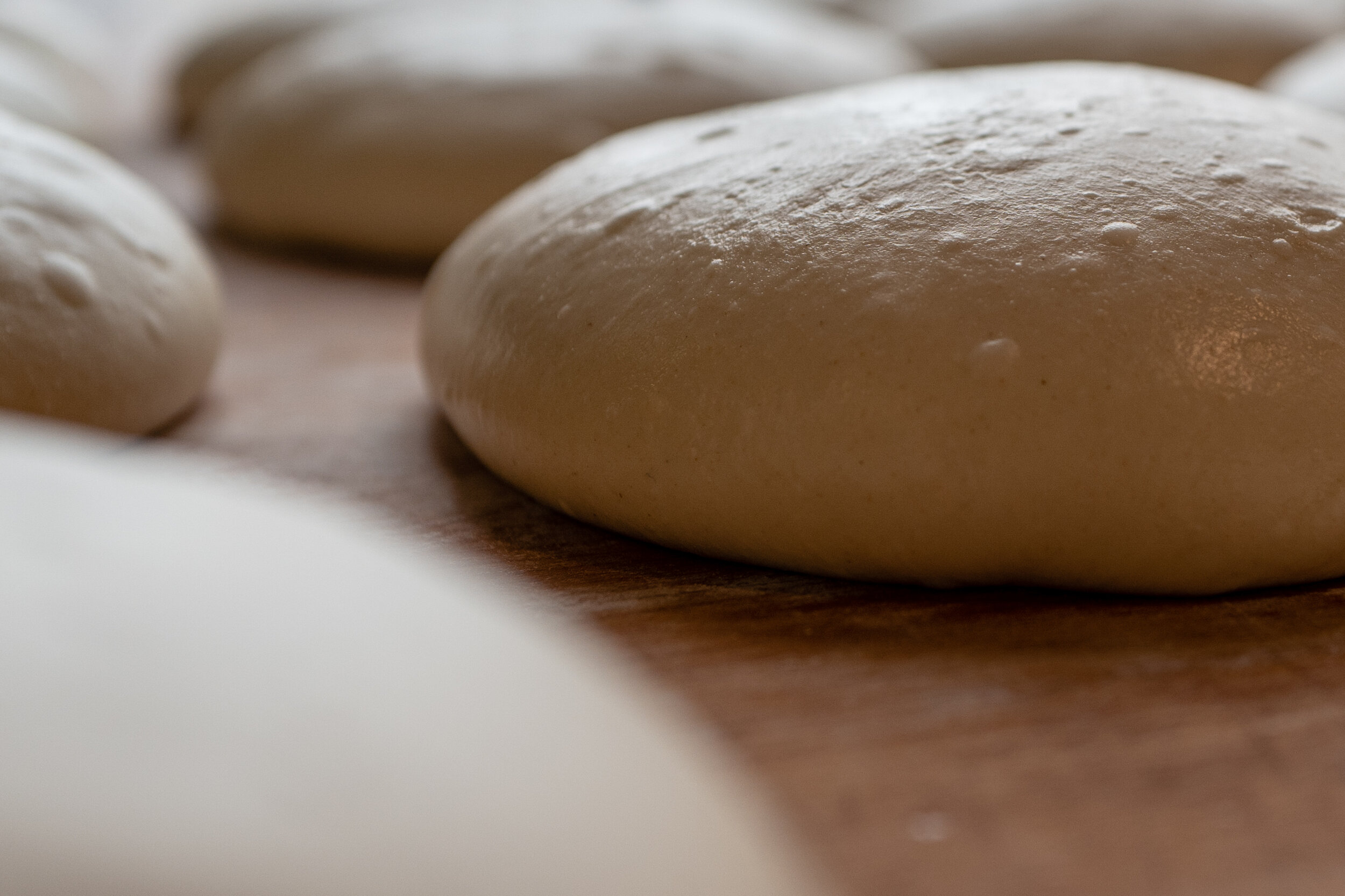
Launching an award-winning artisan bakery

Getting a physical product from idea to manufacturing